
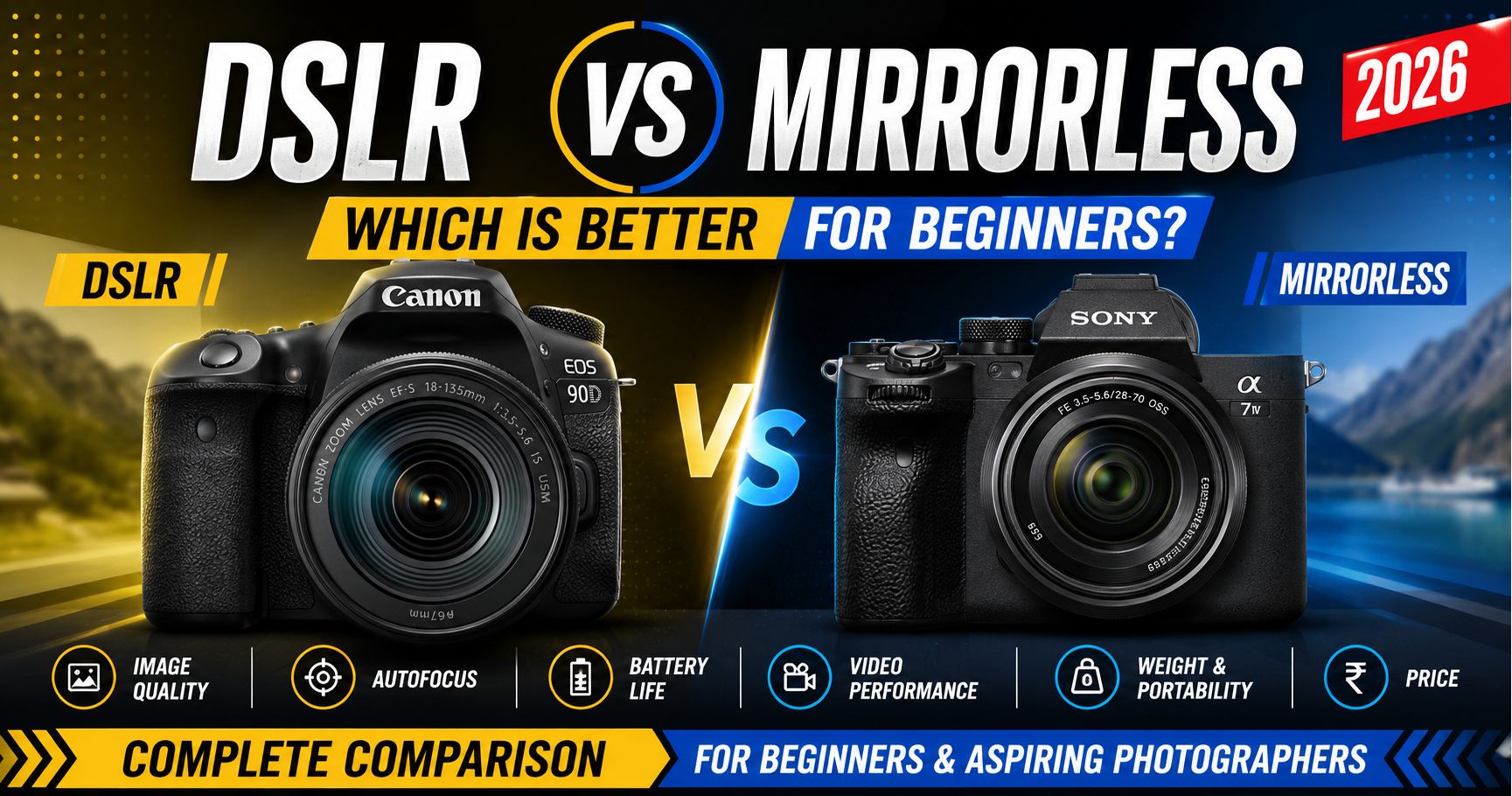
DSLR vs Mirrorless Camera: Which is Better for Beginners (2026)
-
July 23, 2026
DSLR vs Mirrorless Camera: Which is Better for Beginners in 2026?
Buying your first camera is exciting—but it can also be confusing.
One of the biggest questions every beginner asks is:
“Should I buy a DSLR or a Mirrorless Camera?”
If you’re planning to learn photography, wedding photography, cinematography, content creation, or filmmaking, choosing the right camera is an important first step.
In this detailed beginner-friendly guide, you’ll learn:
- What is a DSLR?
- What is a Mirrorless Camera?
- How both cameras work
- Advantages and disadvantages
- Image quality comparison
- Video performance
- Autofocus comparison
- Battery life
- Lens availability
- Price comparison
- Which camera is best for beginners in 2026?
Let’s make your decision simple.
What is a DSLR Camera?
A DSLR (Digital Single Lens Reflex) camera uses a mirror and optical viewfinder.
When you look through the viewfinder, you’re seeing the scene directly through the camera lens using a mirror system. When you press the shutter button, the mirror flips up, allowing light to reach the sensor and capture the image.
This technology has been trusted by professional photographers for decades.
Examples of DSLR Cameras
- Canon EOS 200D II
- Canon 90D
- Nikon D7500
- Nikon D850
What is a Mirrorless Camera?
As the name suggests, a Mirrorless Camera does not have a mirror inside.
Instead, light passes directly to the image sensor, and the camera displays a live digital preview through the electronic viewfinder (EVF) or LCD screen.
Mirrorless technology has become the future of photography because it offers faster autofocus, advanced video features, and lighter camera bodies.
Examples of Mirrorless Cameras
- Sony A6700
- Sony A7 IV
- Canon EOS R50
- Canon EOS R10
- Nikon Z50 II
- Fujifilm X-S20
DSLR vs Mirrorless: How They Work
| DSLR | Mirrorless |
|---|---|
| Uses a mirror | No mirror |
| Optical Viewfinder | Electronic Viewfinder (EVF) |
| Larger body | Compact body |
| Mechanical system | Digital system |
| Traditional technology | Latest technology |
DSLR vs Mirrorless: Main Differences
1. Size and Weight
A DSLR contains a mirror mechanism, making it larger and heavier.
Mirrorless cameras remove the mirror, making them much smaller and easier to carry.
Winner: ✅ Mirrorless
2. Image Quality
Many beginners think mirrorless cameras produce better photos.
This is a myth.
Image quality depends on:
- Sensor size
- Lens quality
- Lighting
- Photographer’s skills
If both cameras have similar sensors, the image quality is nearly identical.
Winner: 🤝 Tie
3. Autofocus Performance
This is where mirrorless cameras shine.
Modern mirrorless cameras include AI-powered autofocus features like:
- Eye Detection AF
- Face Detection
- Animal Eye AF
- Vehicle Tracking
- Subject Tracking
DSLR autofocus is reliable, but mirrorless systems are generally faster and more accurate.
Winner: ✅ Mirrorless
4. Video Recording
If you want to become:
- YouTuber
- Wedding Cinematographer
- Filmmaker
- Content Creator
- Commercial Photographer
Mirrorless cameras offer significant advantages:
- 4K and 6K recording
- Better autofocus during video
- Higher frame rates
- Better stabilization (IBIS in many models)
- Log recording
- Better color profiles
Most entry-level DSLRs have limited video capabilities.
Winner: ✅ Mirrorless
Want to Become a Professional Photographer or Wedding Cinematographer?
Choosing the right camera is only the beginning.
The biggest difference between an amateur and a professional is knowledge, practice, lighting skills, camera settings, composition, editing, and real-world experience.
At Sharanya Institute Of Photography, led by Shrinivas Javanjal, students learn photography through practical assignments, live shoots, editing workflows, and industry-oriented training.
We offer both Online and Offline Diploma in Photography & Wedding Cinematography Courses, designed for complete beginners as well as photographers who want to build a successful career.
Whether your dream is to become a wedding photographer, portrait specialist, cinematographer, or professional editor, structured training can save years of trial and error.
5. Battery Life
DSLR cameras usually last longer because the optical viewfinder uses very little power.
Mirrorless cameras continuously power the sensor and EVF, consuming more battery.
Typical battery performance:
- DSLR: 700–1500 shots
- Mirrorless: 300–700 shots
Carrying an extra battery easily solves this issue.
Winner: ✅ DSLR
6. Lens Availability
DSLR cameras have a huge collection of affordable lenses because they have been around for many years.
Mirrorless systems now offer a rapidly growing range of native lenses, and adapters allow many DSLR lenses to be used as well.
Winner: 🤝 Tie (Mirrorless is catching up fast.)
7. Beginner Friendliness
Mirrorless cameras make learning easier because you can instantly see how changes to ISO, shutter speed, aperture, and white balance affect your image.
This live preview helps beginners understand exposure much faster.
Winner: ✅ Mirrorless
8. Price Comparison
Years ago, DSLRs were much cheaper.
In 2026, entry-level mirrorless cameras are available at competitive prices, making them an excellent value.
If you’re buying new, mirrorless often provides more modern features for the money.
Winner: ✅ Mirrorless
DSLR vs Mirrorless Comparison Table
| Feature | DSLR | Mirrorless |
| Size | Larger | Smaller |
| Weight | Heavy | Light |
| Image Quality | Excellent | Excellent |
| Video | Good | Excellent |
| Autofocus | Good | Excellent |
| Battery | Excellent | Good |
| Live Preview | No | Yes |
| Future Support | Limited | Growing |
| Beginner Friendly | Good | Excellent |
Which Camera Should Beginners Buy in 2026?
If you’re buying your first camera in 2026, a Mirrorless Camera is the better long-term investment.
Here’s why:
- Faster autofocus
- Better video quality
- Compact design
- Excellent for YouTube and social media
- Easier to learn
- Strong manufacturer support
- Future-ready lens systems
A DSLR is still capable of producing stunning photographs, especially if you find a good used model at a great price. However, for most beginners purchasing a new camera, mirrorless is the more practical choice.
Best Beginner Mirrorless Cameras in 2026
Budget Range
- Canon EOS R50
- Nikon Z50 II
- Sony ZV-E10 II
Mid-Range
- Canon EOS R10
- Sony A6700
- Fujifilm X-S20
Professional Growth
- Sony A7 IV
- Canon EOS R6 Mark II
- Nikon Z6 III
Frequently Asked Questions (FAQs)
Is DSLR better than Mirrorless?
Not necessarily. Both can produce excellent images, but mirrorless cameras generally offer more advanced autofocus, better video features, and a more future-focused ecosystem.
Which camera is easier for beginners?
Mirrorless cameras are often easier to learn because the electronic viewfinder shows a live preview of your exposure and settings before you take the photo.
Can I become a professional photographer using a DSLR?
Absolutely. Professional-quality work depends more on your skills than on the camera body. Many successful photographers built their careers using DSLRs.
Which camera is best for wedding photography?
Modern mirrorless cameras are widely preferred for weddings because of reliable eye autofocus, silent shooting, and strong video capabilities. However, experienced photographers still create excellent wedding work with DSLRs.
Do I need an expensive camera to learn photography?
No. A beginner camera combined with proper training, regular practice, and good editing skills will take you much further than buying the most expensive equipment.
Learn Photography the Right Way
Many beginners spend months comparing cameras but very little time learning how to use them effectively.
A professional photographer is defined by their understanding of light, composition, storytelling, editing, and client handling—not just by the camera they own.
If you’re serious about building a career in photography, wedding cinematography, or photo and video editing, Sharanya Institute Of Photography offers comprehensive Online and Offline Diploma in Photography & Wedding Cinematography Courses.
Under the guidance of Shrinivas Javanjal, you’ll gain practical experience through hands-on projects, real wedding workflows, editing techniques, lighting setups, and portfolio development to help you enter the industry with confidence.
Final Verdict
For most beginners in 2026, a Mirrorless Camera is the recommended choice. It offers excellent autofocus, advanced video features, compact design, and a platform that continues to evolve with new technology.
That said, the best camera is the one that encourages you to practice consistently. Invest in learning the fundamentals, develop your creative eye, and master editing. Those skills will have a far greater impact on your photography than the logo on your camera.
Whether you choose DSLR or Mirrorless, the key to becoming a professional is continuous learning, regular practice, and real-world experience.
Happy shooting!
OUR COURSES
Explore top courses

-
Private 1-1
-
Intermediate
₹5,000.00₹10.00
-
Dombivli
-
1 Student
-
10 lessons
Master professional photography, wedding cinematography, editing, lighting, and business skills through comprehensive hands-on offline diploma training.

-
Private 1-1
-
Intermediate
₹10,000.00
-
Dombivli
-
0 Students
-
10 lessons
Master cinematic wedding filmmaking, camera movements, lighting, audio, storytelling, and professional shooting through practical offline training.

-
Private 1-1
-
All levels
₹5,000.00
-
Dombivli
-
0 Students
-
10 lessons
-
Private 1-1
-
All levels
₹5,000.00
-
Dombivli
-
0 Students
-
10 lessons
Master digital marketing, SEO, social media, branding, advertising, and lead generation through practical offline classroom training.

-
Private 1-1
-
Beginner
₹5,000.00
-
Dombivli
-
0 Students
-
10 lessons
-
Private 1-1
-
Beginner
₹5,000.00
-
Dombivli
-
0 Students
-
10 lessons
Master branding, marketing, business management, client relations, and creative entrepreneurship through practical offline classroom training.
-
Private 1-1
-
Intermediate
₹10,000.00
-
Dombivli
-
0 Students
-
10 lessons
Master newborn safety, posing, lighting, composition, and professional editing through practical offline photography training.
OUR PACKAGE
Explore top packages



Tags:
You May Also Like
-
Jul 24, 2026
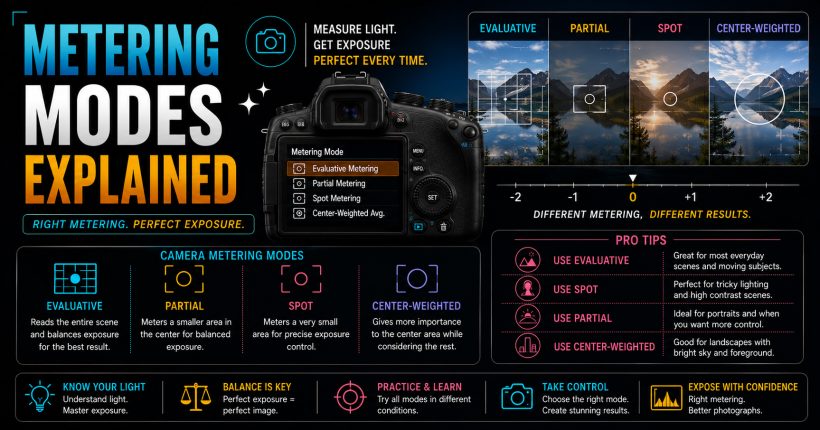
Learn camera metering modes, exposure measurement, and professional techniques to capture perfectly exposed photographs in every lighting condition with confidence.
-
Jul 24, 2026
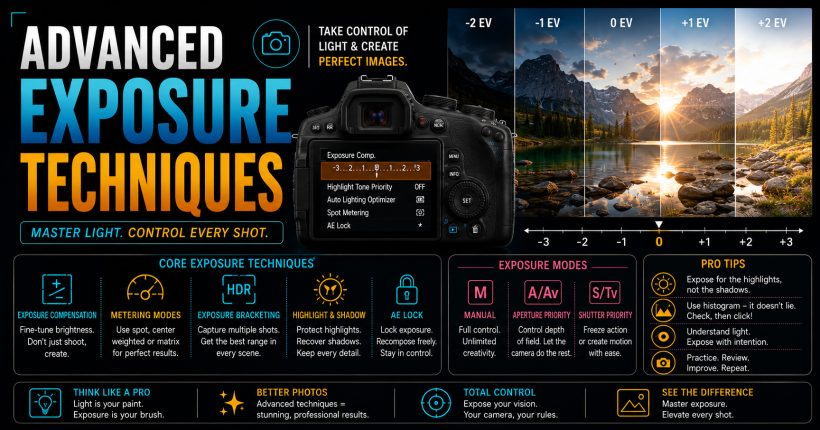
Master advanced exposure techniques using histograms, metering, exposure compensation, and bracketing to capture perfectly exposed professional-quality photographs every time.
-
Jul 24, 2026
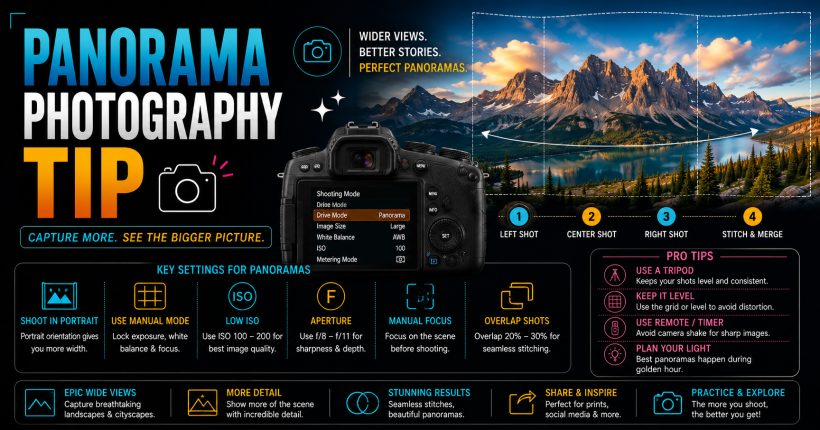
Learn panorama photography with simple camera settings, stitching techniques, and professional tips to capture breathtaking wide-angle landscapes and cityscapes effortlessly.
-
Jul 24, 2026
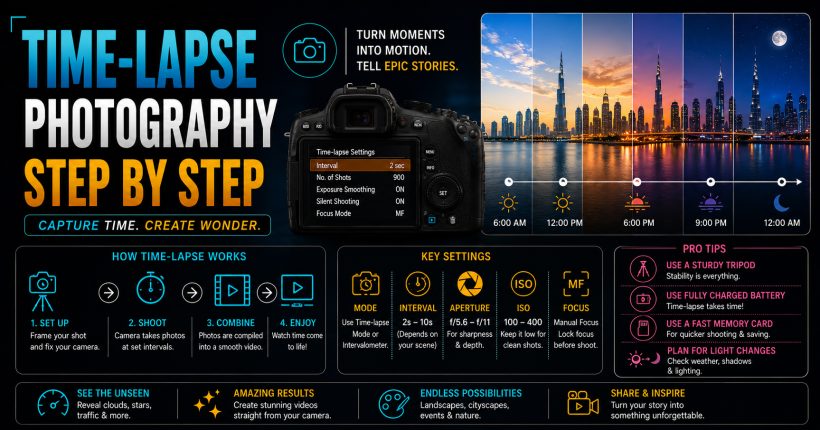
Learn time-lapse photography with simple camera settings, interval techniques, editing workflow, and expert tips for creating stunning cinematic videos effortlessly.
Sign up to receive our latest updates
Get in touch
Call us directly?
+91 9769533675
Address
Office No 9, First floor, Sudama Tower, Kasturi Plaza, Dombivli (E)
support@photovideocourse.com
Popular Courses

- © 2026 Sharanya Institute Of Photography All rights reserved.