
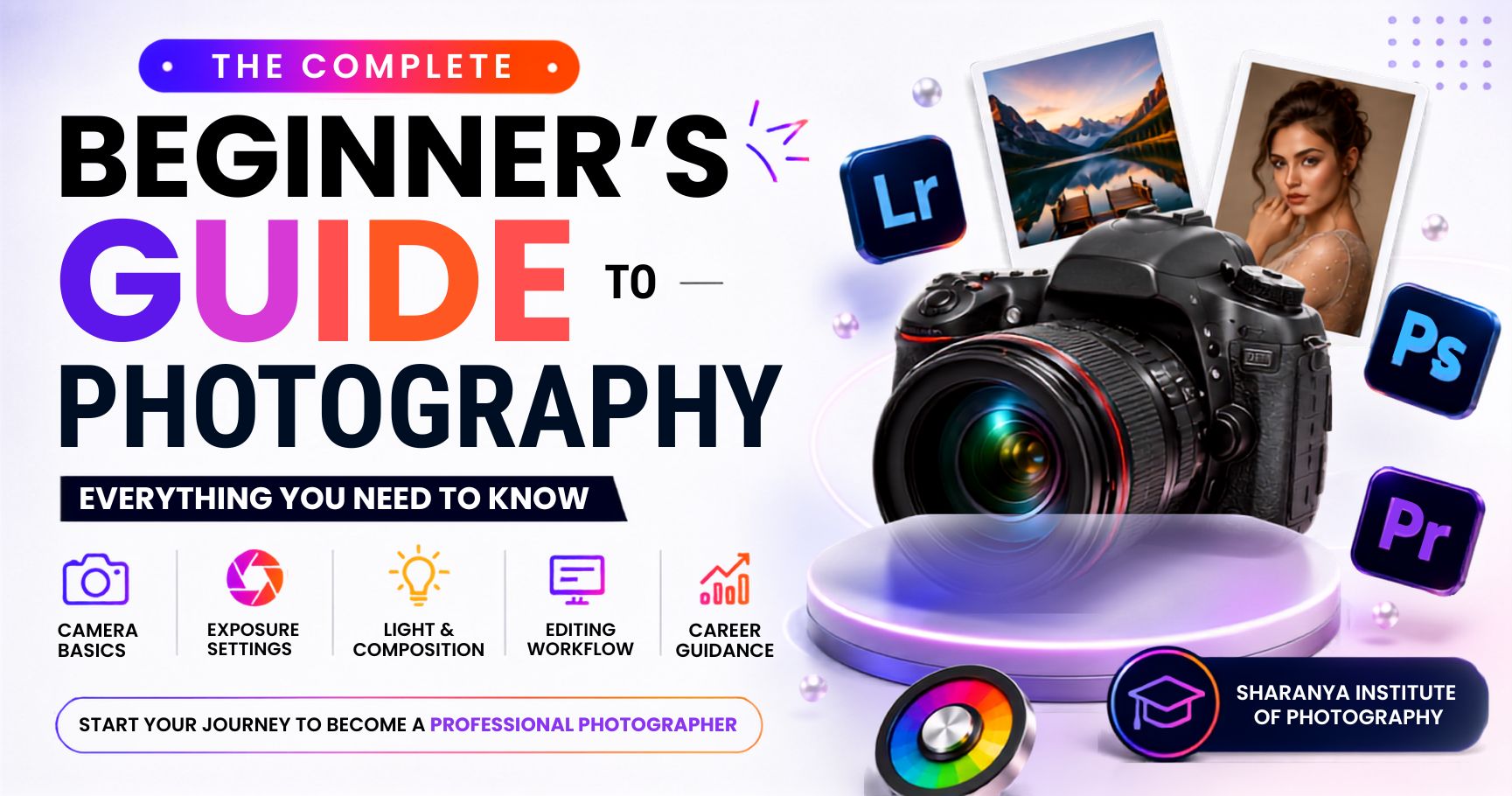
Beginner’s Guide to Photography | Learn Photography Step-by-Step for Beginners
-
July 23, 2026
Beginner’s Guide to Photography: Learn Photography Step-by-Step for Beginners (2026)
Photography is more than just taking pictures—it’s about capturing emotions, preserving memories, and telling stories through light. Whether you dream of becoming a professional photographer, a wedding cinematographer, a content creator, or simply want to improve your photography skills, every expert started as a beginner.
The good news? You don’t need the most expensive camera to begin. What you truly need is the right knowledge, regular practice, and a clear learning path.
This complete beginner’s guide will help you understand photography step by step in simple language, making it easy for anyone to start their creative journey.
What is Photography?
Photography is the art and science of capturing light using a camera to create images. The word “Photography” comes from the Greek words:
- Photo = Light
- Graphy = Drawing or Writing
So, photography literally means “Drawing with Light.”
Every photograph is created by controlling how light reaches your camera sensor.
Why Learn Photography?
Learning photography opens many exciting opportunities. It allows you to:
- Capture unforgettable memories
- Express your creativity
- Start a freelance business
- Become a wedding photographer
- Work as a fashion photographer
- Create travel content
- Become a cinematographer
- Build a career in content creation
- Earn money through photography
Today, photography is one of the fastest-growing creative industries, with increasing demand for skilled professionals.
Step 1: Understand Your Camera
Before taking beautiful photos, you must understand your camera.
Whether you’re using a DSLR, Mirrorless camera, or even a smartphone, learning the basic controls is essential.
Important camera parts include:
- Camera Body
- Lens
- Image Sensor
- Viewfinder
- LCD Screen
- Shutter Button
- Mode Dial
- Memory Card
- Battery
Knowing what each part does will help you use your camera confidently.
Step 2: Learn the Exposure Triangle
The Exposure Triangle is the foundation of photography. It consists of three important settings that control how bright or dark your image appears.
Aperture (f-stop)
Aperture controls how much light enters the camera through the lens.
- Lower f-number (f/1.8) = More light + Blurred background
- Higher f-number (f/11) = Less light + More image in focus
Shutter Speed
Shutter speed determines how long the camera sensor is exposed to light.
- Fast shutter = Freezes motion
- Slow shutter = Creates motion blur
Examples:
- 1/1000 sec = Sports
- 1/250 sec = Portraits
- 1/60 sec = Everyday photography
- Several seconds = Long exposure
ISO
ISO controls your camera sensor’s sensitivity to light.
- ISO 100 = Best quality
- ISO 200–800 = Indoor photography
- ISO 1600+ = Low-light situations (may introduce noise)
Step 3: Learn Composition
A great photograph isn’t just about camera settings—it also depends on how you frame your subject.
Some popular composition techniques include:
- Rule of Thirds
- Leading Lines
- Symmetry
- Framing
- Negative Space
- Fill the Frame
- Patterns
- Depth and Layers
These techniques make your images more attractive and visually balanced.
Step 4: Understand Lighting
Photography is all about light.
Good lighting can transform an ordinary photo into an extraordinary one.
Types of lighting:
- Natural Light
- Golden Hour
- Blue Hour
- Window Light
- Studio Light
- Flash Photography
Learning how to observe and control light is one of the most valuable skills for any photographer.
Step 5: Focus Correctly
Sharp focus makes a huge difference.
Learn different autofocus modes:
- Single Autofocus (AF-S / One Shot)
- Continuous Autofocus (AF-C / AI Servo)
- Automatic Focus
- Eye Detection Autofocus
Always focus on your subject’s eyes when taking portraits.
Step 6: Learn Different Photography Genres
Photography offers many career paths. Explore different genres to discover what interests you most.
Popular photography fields include:
- Wedding Photography
- Portrait Photography
- Wildlife Photography
- Fashion Photography
- Product Photography
- Food Photography
- Event Photography
- Street Photography
- Travel Photography
- Landscape Photography
- Commercial Photography
- Real Estate Photography
Trying different styles will help you identify your passion.
Want to Build a Professional Career?
Learning photography from YouTube videos can teach you the basics, but becoming a professional requires structured guidance, practical assignments, and real-world experience.
At Sharanya Institute Of Photography, under the guidance of Shrinivas Javanjal, students receive hands-on training in photography, wedding cinematography, lighting, editing, camera techniques, and professional workflows.
We offer both Online and Offline Diploma in Photography & Wedding Cinematography Courses, specially designed for beginners, hobbyists, and aspiring professionals.
If your goal is to build a successful career in photography or filmmaking, professional training can help you learn faster, avoid common mistakes, and develop a portfolio that attracts clients.
Step 7: Shoot in Manual Mode
Many beginners rely on Auto Mode, but Manual Mode gives you full creative control.
Once you understand Aperture, Shutter Speed, and ISO, practice adjusting them yourself.
Manual Mode helps you achieve consistent results in different lighting conditions.
Step 8: Practice Every Day
Photography is a practical skill.
The more you practice, the better you’ll become.
Try photographing:
- People
- Flowers
- Streets
- Pets
- Buildings
- Food
- Nature
- Everyday objects
Challenge yourself by shooting regularly and reviewing your results.
Step 9: Learn Photo Editing
Professional photographers don’t stop after clicking the shutter. Editing enhances colors, exposure, contrast, and overall impact.
Popular editing software includes:
- Adobe Lightroom
- Adobe Photoshop
- Capture One
- Luminar Neo
Learning editing will elevate your images and help create a consistent style.
Step 10: Build Your Portfolio
A strong portfolio showcases your best work and demonstrates your skills to potential clients or employers.
Tips for a great portfolio:
- Select only your best images
- Organize by photography genre
- Update it regularly
- Share your work on your website and social media
A quality portfolio is often more important than the camera you use.
Common Beginner Photography Mistakes
Avoid these common errors:
- Using Auto Mode all the time
- Ignoring lighting
- Not checking focus
- Over-editing photos
- Buying expensive gear too early
- Not practicing consistently
- Forgetting to clean the lens
- Shooting without understanding composition
Learning from mistakes is part of becoming a better photographer.
Best Cameras for Beginners (2026)
Recommended beginner-friendly cameras:
- Canon EOS R50
- Canon EOS R10
- Sony ZV-E10 II
- Sony A6700
- Nikon Z50 II
- Fujifilm X-S20
Remember, your skills matter far more than the price of your camera.
Frequently Asked Questions (FAQs)
Can I learn photography without a DSLR or Mirrorless camera?
Yes. You can start with a smartphone to understand composition, lighting, and storytelling before upgrading to a dedicated camera.
How long does it take to learn photography?
Basic photography can be learned in a few weeks with regular practice, while mastering professional techniques takes consistent learning and real-world experience.
Is photography a good career in 2026?
Yes. Photography, videography, content creation, wedding cinematography, and digital media continue to offer strong career opportunities.
Which camera is best for beginners?
A modern mirrorless camera is an excellent choice for most beginners because it offers easy-to-use features and room to grow.
Do I need editing skills?
Yes. Editing is an essential part of professional photography and helps bring out the best in your images.
Final Thoughts
Photography is a journey of observation, creativity, and continuous learning. Don’t worry about having the perfect equipment. Focus on understanding light, mastering your camera, practicing regularly, and telling meaningful stories through your images.
Every professional photographer started with a single step. Start yours today, keep learning, and let every click make you better than yesterday.
If you’re serious about becoming a professional photographer, cinematographer, or editor, Sharanya Institute Of Photography offers Online and Offline Diploma in Photography & Wedding Cinematography Courses. Under the mentorship of Shrinivas Javanjal, you’ll gain practical experience, industry-ready skills, and the confidence to turn your passion into a successful career.
OUR COURSES
Explore top courses

-
Private 1-1
-
Intermediate
₹5,000.00₹10.00
-
Dombivli
-
1 Student
-
10 lessons
Master professional photography, wedding cinematography, editing, lighting, and business skills through comprehensive hands-on offline diploma training.
-
Private 1-1
-
Intermediate
₹10,000.00
-
Dombivli
-
0 Students
-
10 lessons
Master cinematic wedding filmmaking, camera movements, lighting, audio, storytelling, and professional shooting through practical offline training.

-
Private 1-1
-
All levels
₹5,000.00
-
Dombivli
-
0 Students
-
10 lessons
-
Private 1-1
-
All levels
₹5,000.00
-
Dombivli
-
0 Students
-
10 lessons
Master digital marketing, SEO, social media, branding, advertising, and lead generation through practical offline classroom training.
OUR PACKAGE
Explore top packages
Tags:
You May Also Like
-
Jul 24, 2026
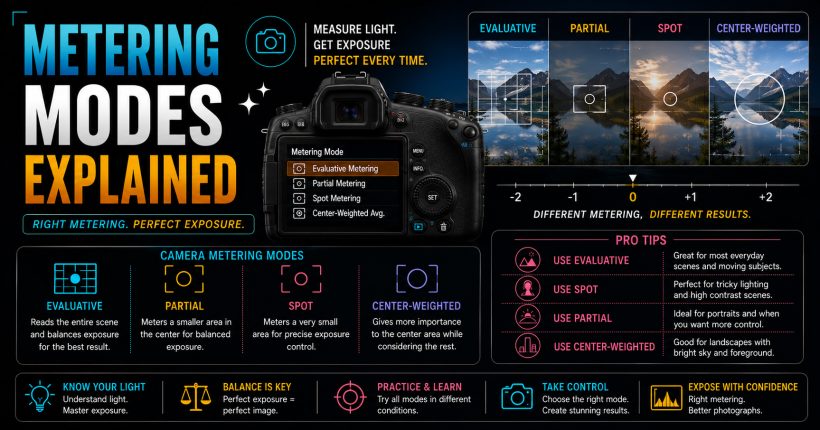
Learn camera metering modes, exposure measurement, and professional techniques to capture perfectly exposed photographs in every lighting condition with confidence.
-
Jul 24, 2026
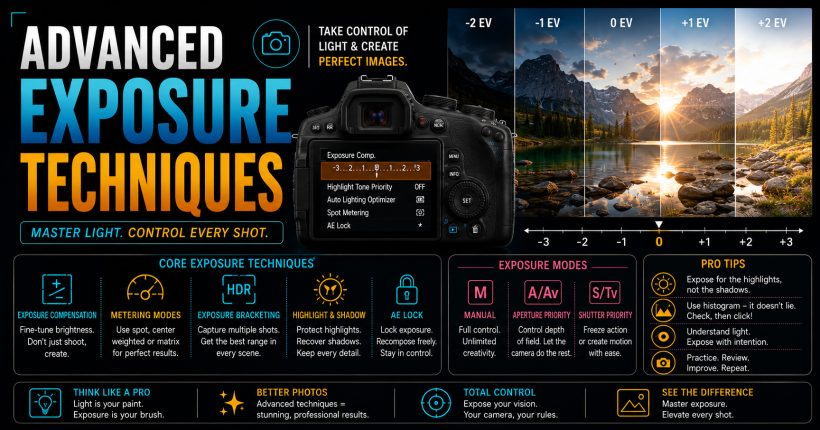
Master advanced exposure techniques using histograms, metering, exposure compensation, and bracketing to capture perfectly exposed professional-quality photographs every time.
-
Jul 24, 2026
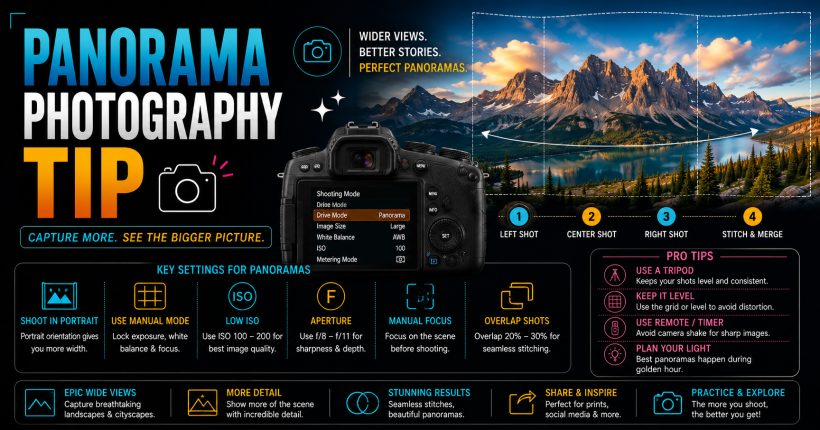
Learn panorama photography with simple camera settings, stitching techniques, and professional tips to capture breathtaking wide-angle landscapes and cityscapes effortlessly.
-
Jul 24, 2026
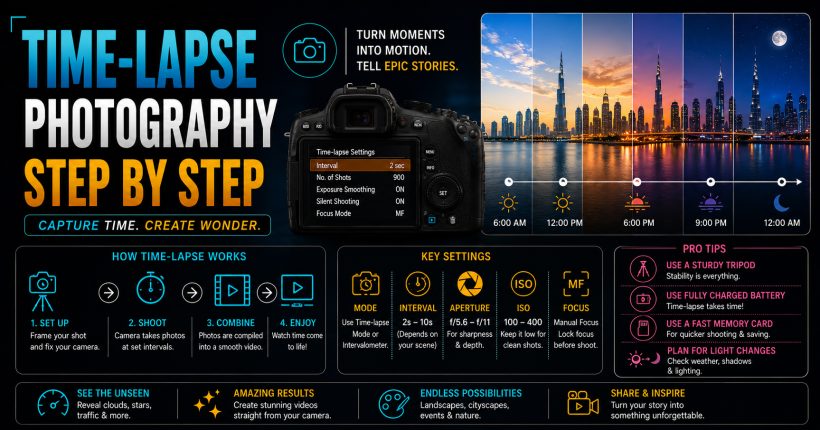
Learn time-lapse photography with simple camera settings, interval techniques, editing workflow, and expert tips for creating stunning cinematic videos effortlessly.
Sign up to receive our latest updates
Get in touch
Call us directly?
+91 9769533675
Address
Office No 9, First floor, Sudama Tower, Kasturi Plaza, Dombivli (E)
support@photovideocourse.com
Popular Courses

- © 2026 Sharanya Institute Of Photography All rights reserved.