
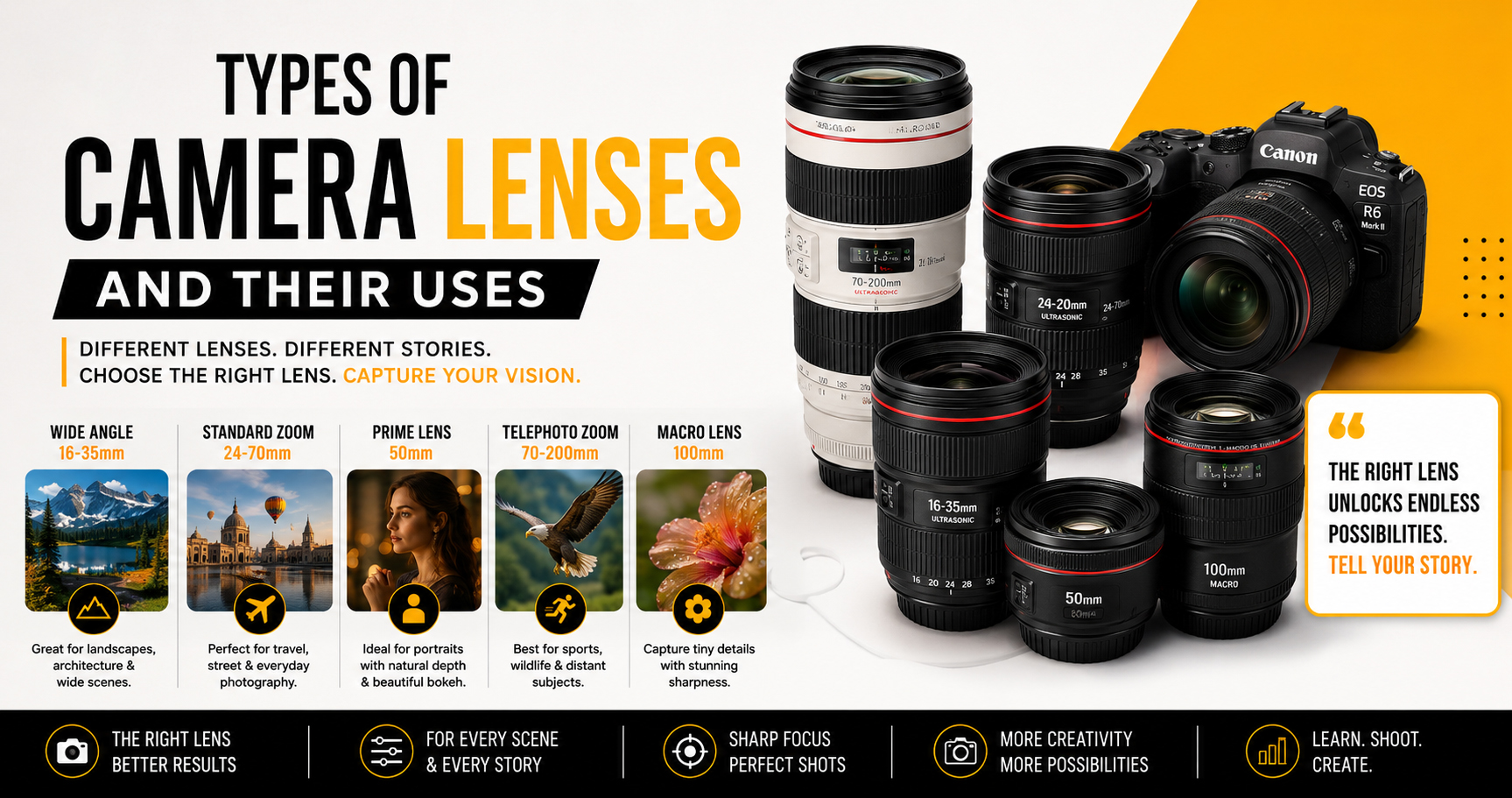
Types of Camera Lenses and Their Uses (Complete Guide for Beginners)
Choosing the right camera lens is just as important as choosing the right camera body. In fact, many professional photographers believe that the lens has a greater impact on image quality than the camera itself.
Whether you’re interested in portraits, wildlife, weddings, travel, landscapes, sports, or filmmaking, using the right lens will help you capture sharper images, create beautiful background blur, and tell stronger visual stories.
In this beginner-friendly guide, you’ll learn:
- What a camera lens is
- How focal length works
- The different types of camera lenses
- The best lens for every photography style
- Prime vs Zoom lenses
- Which lens beginners should buy first
- Tips for choosing the perfect lens
Let’s get started.
What Is a Camera Lens?
A camera lens is an optical device that focuses light onto the camera’s image sensor to create a photograph or video.
Think of the camera body as the brain and the lens as the eyes. Even the most advanced camera cannot produce great images if the lens isn’t suitable for the job.
The lens determines:
- Field of view
- Magnification
- Background blur (bokeh)
- Sharpness
- Perspective
- Low-light performance
That’s why photographers often invest in quality lenses before upgrading their camera body.
Understanding Focal Length
The most important number printed on a lens is its focal length, measured in millimeters (mm).
The focal length determines:
- How wide or narrow the scene appears.
- How close or far away your subject looks.
- The perspective of your image.
General Guide
| Focal Length | Best For |
|---|---|
| 10–24mm | Ultra-Wide Landscapes & Architecture |
| 24–35mm | Street & Travel Photography |
| 35–50mm | Everyday Photography |
| 50–85mm | Portrait Photography |
| 70–200mm | Sports & Weddings |
| 100–400mm | Wildlife & Birds |
| 400mm+ | Professional Wildlife & Sports |
1. Wide-Angle Lens
Focal Length
10mm–35mm
Wide-angle lenses capture a broad view, making them perfect for photographing large scenes.
Best For
- Landscape Photography
- Travel Photography
- Architecture
- Interiors
- Real Estate
- Astrophotography
Advantages
- Captures more of the scene.
- Creates a strong sense of depth.
- Great for tight spaces.
Limitations
- Can distort faces if used too close.
- Not ideal for traditional portraits.
2. Standard Lens
Focal Length
35mm–70mm
A standard lens offers a natural perspective that closely matches how our eyes see the world.
Best For
- Street Photography
- Daily Photography
- Travel
- Lifestyle
- Family Photos
The popular 50mm lens, often called the “Nifty Fifty,” is an excellent choice for beginners because it is affordable, sharp, and versatile.
3. Telephoto Lens
Focal Length
70mm–300mm
Telephoto lenses bring distant subjects closer without requiring you to move physically.
Best For
- Wildlife Photography
- Sports
- Birds
- Wedding Ceremonies
- Stage Performances
- Outdoor Events
Advantages
- Excellent subject isolation.
- Beautiful background compression.
- Ideal for photographing subjects from a distance.
4. Super Telephoto Lens
Focal Length
300mm–600mm+
These lenses are designed for extreme distances.
Best For
- Birds
- Safari
- Professional Sports
- Wildlife
They provide outstanding reach but are generally larger, heavier, and more expensive.
5. Macro Lens
Focal Length
60mm–105mm (most common)
Macro lenses are built for close-up photography, allowing you to capture incredible detail.
Best For
- Flowers
- Insects
- Jewelry
- Food Photography
- Product Photography
- Textures
Macro photography reveals details that are often invisible to the naked eye.
6. Fisheye Lens
Focal Length
8mm–16mm
A fisheye lens creates an ultra-wide view with dramatic barrel distortion.
Best For
- Creative Photography
- Extreme Sports
- Skateboarding
- Architecture
- Artistic Projects
Its unique look is ideal for special effects and experimental compositions.
7. Prime Lens
A Prime Lens has a fixed focal length, such as:
- 35mm
- 50mm
- 85mm
Advantages
- Excellent sharpness
- Wider maximum apertures (f/1.4, f/1.8)
- Better low-light performance
- Beautiful background blur
- Lightweight design
Best For
- Portraits
- Weddings
- Street Photography
- Low-Light Photography
8. Zoom Lens
A Zoom Lens allows you to change focal lengths without changing lenses.
Examples:
- 18–55mm
- 24–70mm
- 70–200mm
- 100–400mm
Advantages
- Highly versatile
- Fewer lens changes
- Convenient for travel and events
Best For
- Weddings
- Travel
- Events
- Documentary Photography
- Videography
Prime Lens vs Zoom Lens
| Feature | Prime Lens | Zoom Lens |
| Focal Length | Fixed | Variable |
| Sharpness | Excellent | Very Good |
| Low-Light Performance | Excellent | Good to Excellent |
| Weight | Lighter | Heavier |
| Flexibility | Lower | Higher |
| Beginner Friendly | Yes | Yes |
Neither is “better”—the right choice depends on your shooting style and needs.
Which Lens Is Best for Different Photography Styles?
| Photography Type | Recommended Lens |
| Portrait | 50mm, 85mm |
| Wedding | 24–70mm, 70–200mm |
| Wildlife | 100–400mm, 200–600mm |
| Sports | 70–200mm, 300mm+ |
| Landscape | 16–35mm |
| Street | 35mm, 50mm |
| Travel | 24–105mm |
| Product | 100mm Macro |
| Food | 50mm, 100mm Macro |
| Architecture | 16–35mm |
Want to Become a Professional Photographer or Cinematographer?
Understanding lenses is one of the biggest steps toward professional photography. Choosing the right lens for the right situation can dramatically improve your photos and videos—but knowing how to use that lens is even more important.
At Sharanya Institute Of Photography, under the guidance of Shrinivas Javanjal, students gain hands-on experience with different lenses during portrait shoots, weddings, outdoor sessions, studio photography, cinematography projects, and editing classes.
Our Online and Offline Diploma in Photography & Wedding Cinematography Courses are designed for beginners and aspiring professionals. You’ll learn camera handling, lens selection, lighting, composition, color grading, editing, and complete professional workflows that prepare you for real client projects.
If your goal is to build a career in photography, cinematography, or editing, practical training can help you develop confidence and industry-ready skills much faster.
Which Lens Should Beginners Buy First?
If you’re buying your first lens after the kit lens, consider:
Budget Choice
50mm f/1.8
Perfect for:
- Portraits
- Low-light photography
- Everyday photography
- Learning composition
It offers excellent image quality at an affordable price.
Travel Choice
24–105mm Zoom Lens
Ideal for photographers who want one versatile lens for multiple situations.
Wildlife Choice
100–400mm
Great for birds and distant subjects.
Landscape Choice
16–35mm
Perfect for capturing wide scenes and dramatic perspectives.
Common Lens Buying Mistakes
Avoid these common mistakes:
- Buying expensive lenses before mastering the basics.
- Choosing focal length based only on price.
- Ignoring the weight of large telephoto lenses.
- Forgetting lens compatibility with your camera mount.
- Thinking one lens is perfect for every subject.
Understanding your needs before buying helps you make a better long-term investment.
Frequently Asked Questions (FAQs)
Which camera lens is best for beginners?
A 50mm f/1.8 is one of the best beginner lenses because it is affordable, sharp, and excellent for portraits and everyday photography.
Which lens is best for wedding photography?
Many professionals use a combination of 24–70mm and 70–200mm lenses because they provide flexibility for different parts of the wedding day.
Are prime lenses better than zoom lenses?
Prime lenses often offer wider apertures and excellent sharpness, while zoom lenses provide greater flexibility. The best choice depends on your style of photography.
What lens is best for landscape photography?
Wide-angle lenses such as 16–35mm are popular because they capture expansive scenes with strong depth.
Can one lens do everything?
No. Every lens has strengths and limitations. As your skills grow, you’ll likely build a collection of lenses for different types of photography.
Final Thoughts
Choosing the right camera lens can transform your photography. While your camera captures the image, the lens shapes how the world appears in your frame. Understanding focal lengths, lens types, and their practical uses allows you to make creative decisions that improve both your photos and videos.
Start with one versatile lens, practice regularly, and expand your collection only when your photography goals require it. Remember, great photographs come from knowledge, creativity, and experience—not just expensive equipment.
If you’re passionate about becoming a professional photographer, cinematographer, or editor, Sharanya Institute Of Photography offers Online and Offline Diploma in Photography & Wedding Cinematography Courses under the expert mentorship of Shrinivas Javanjal. Through practical assignments, live shoots, and industry-focused training, you’ll gain the skills needed to build a successful career in the creative industry.
Tags:
You May Also Like
-
Jul 24, 2026
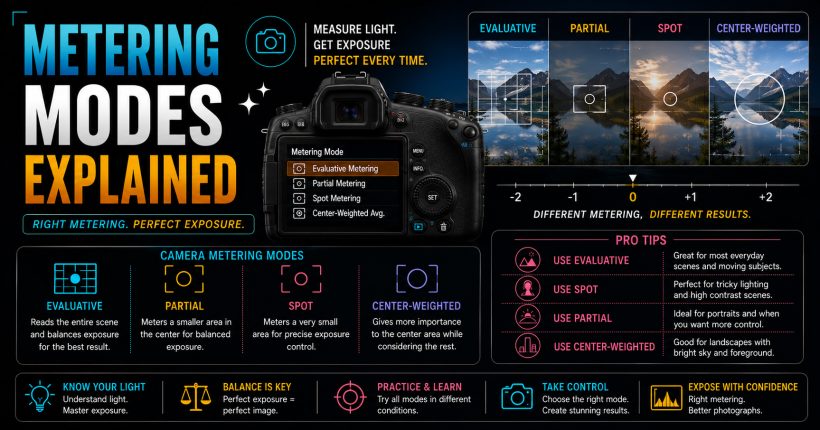
Learn camera metering modes, exposure measurement, and professional techniques to capture perfectly exposed photographs in every lighting condition with confidence.
-
Jul 24, 2026
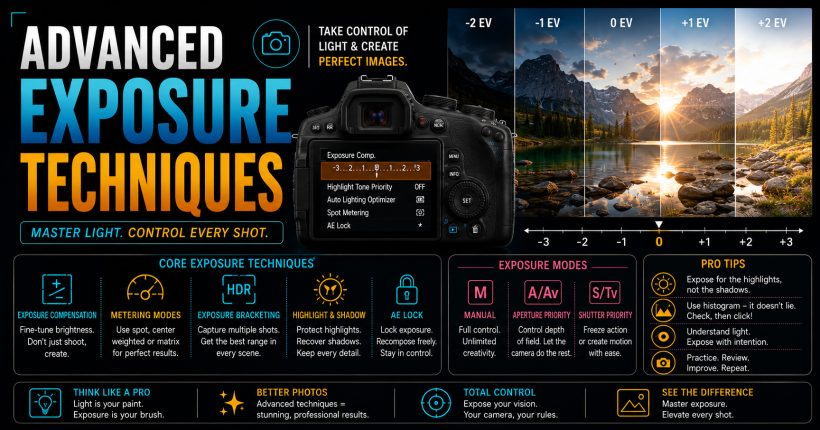
Master advanced exposure techniques using histograms, metering, exposure compensation, and bracketing to capture perfectly exposed professional-quality photographs every time.
-
Jul 24, 2026
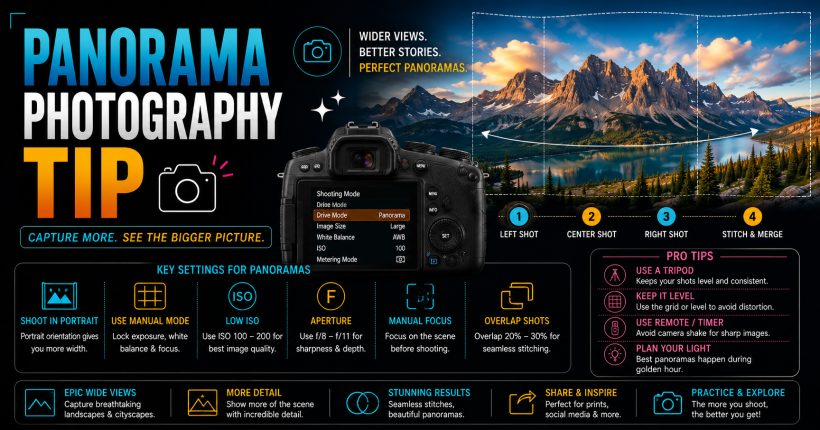
Learn panorama photography with simple camera settings, stitching techniques, and professional tips to capture breathtaking wide-angle landscapes and cityscapes effortlessly.
-
Jul 24, 2026
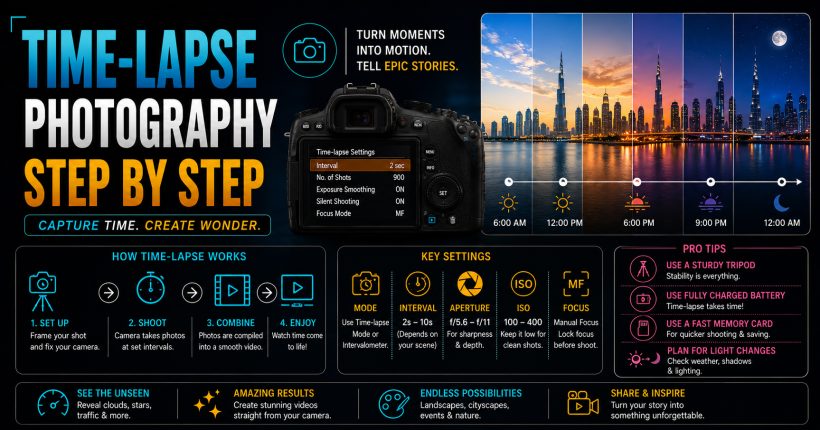
Learn time-lapse photography with simple camera settings, interval techniques, editing workflow, and expert tips for creating stunning cinematic videos effortlessly.
Sign up to receive our latest updates
Get in touch
Call us directly?
+91 9769533675
Address
Office No 9, First floor, Sudama Tower, Kasturi Plaza, Dombivli (E)
support@photovideocourse.com
Popular Courses

- © 2026 Sharanya Institute Of Photography All rights reserved.